









Always in sync, even across episodes
No more "wait, let me pause" moments. Our sync engine keeps everyone frame-perfect—even when you binge multiple episodes in one party.
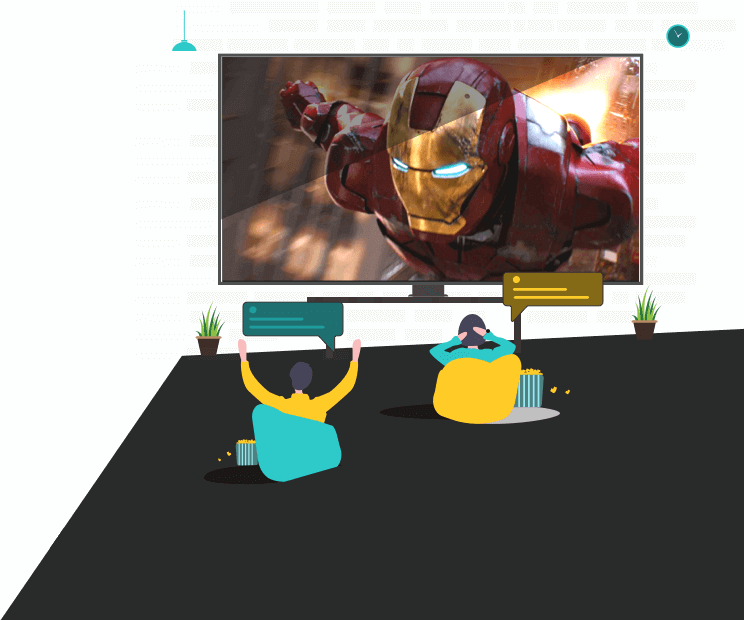
Start playing any video on Netflix, Disney+, or 10+ supported platforms.
Click the Flickcall logo on top right once video starts or hit the Flickcall icon on chrome toolbar. Your watch party is ready in one click.
Copy the party link and send it to your friends. They join with one click—no sign-up required.
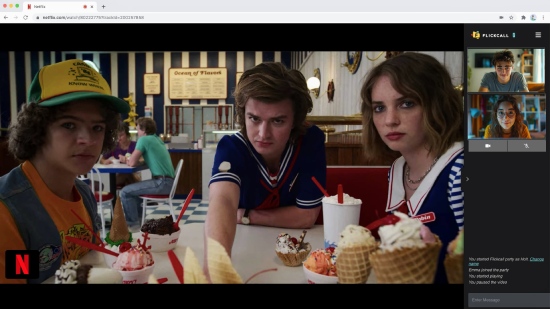
Create watch parties on Netflix, Disney+, JioHotstar, JioHotstar, HBO Max, MAX, Hulu, Prime Video, Youtube, Zee5, Sony Liv, JioHotstar with Flickcall.

No more "wait, let me pause" moments. Our sync engine keeps everyone frame-perfect—even when you binge multiple episodes in one party.
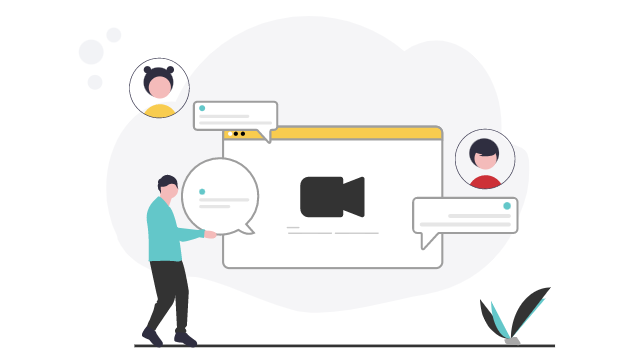
Catch your friends gasping at plot twists. Share laughter in real-time. Video chat makes every watch party feel like you're on the same couch.

Install the extension, play any video, click the Flickcall icon. That's it—share the link and you're watching together.
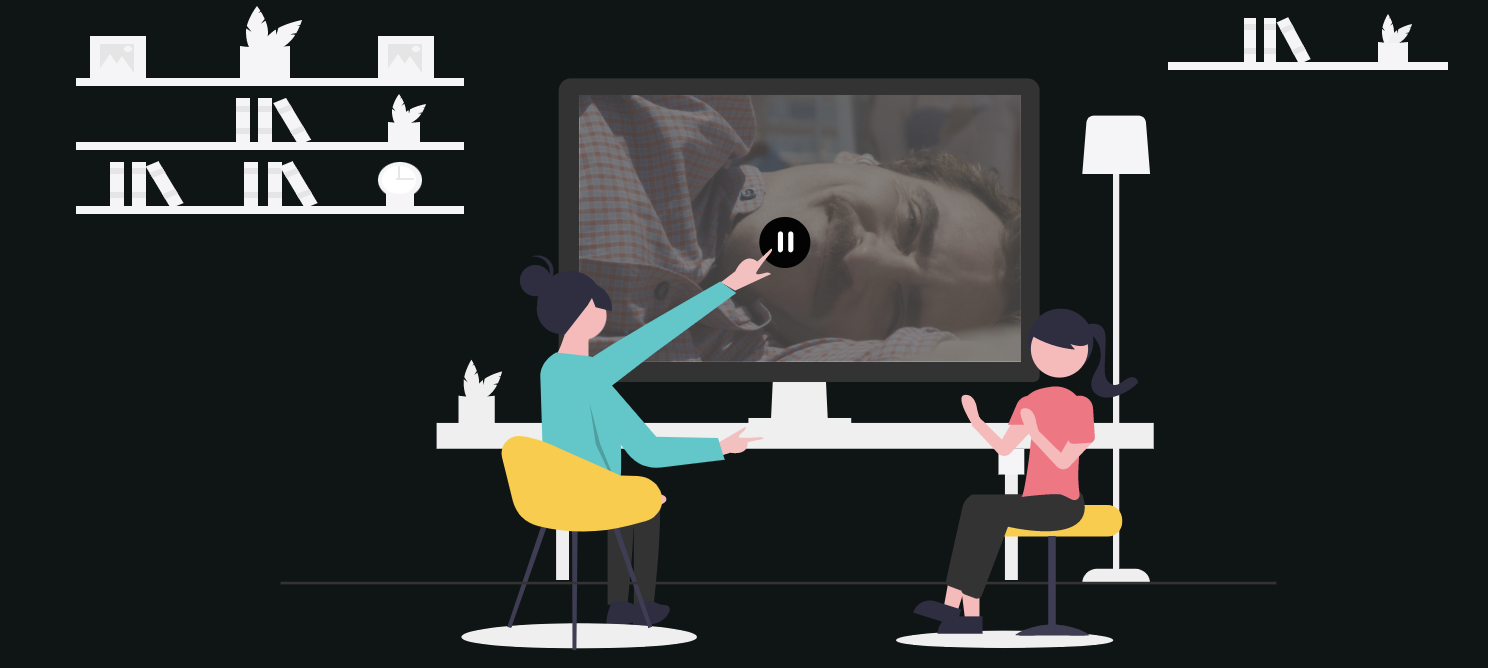
When you pause video, your mic unmutes. When you play, it mutes. Smart Mic knows when you need to talk. No fumbling with buttons, just natural conversation.
We use peer-to-peer technology to connect you directly with your friends. Your video calls and chats are never routed through our servers unless direct connection is blocked*.
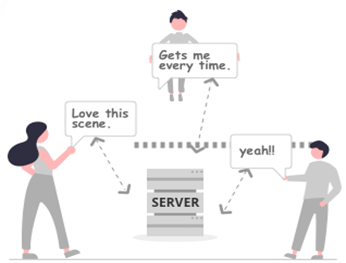
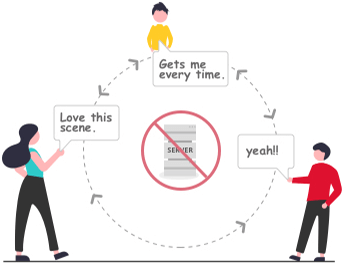
* In some cases, firewall setting doesn't allow direct connection, the calls and messages are encrypted and transmitted via routing servers.
The phrase serves as a fascinating intersection between industrial safety, structural engineering, and metaphorical storytelling. Whether you are a professional glazier moving large sheets of architectural material or a communicator using the act of carrying a glass to illustrate a deeper narrative point, the underlying theme remains constant: the balance between strength and fragility. 1. The Art and Safety of Manual Glass Handling
Franklin once remarked on the design of the human elbow, noting that it is perfectly placed to "carry the glass" to the mouth. He viewed this anatomical convenience as a sign of "beneficent Wisdom," celebrating the simple joy of drinking wine.
Beyond the physical, "carrying the glass" is a potent symbol in communication and literature.
Proper handling requires positioning materials (such as wine goblets) between alternate fingers to avoid touching the "bowl" of the glass, which prevents smudging and ensures a firm grip.
From the invention of float glass by Alastair Pilkington in 1952 to advanced cable-net supported systems, the ability of structures to safely "carry" massive glass ribbons has redefined modern cityscapes. 3. Symbolic and Narrative Power
The famous actor often used a simple exercise where he asked someone to "carry a glass" across a stage. This act serves as a metaphor for focus and intention in storytelling—if the glass is full of "precious" liquid, every movement matters.
Seasoned experts carry glass at a specific tempo that avoids hitting the natural frequency of any liquid inside, preventing spills and maintaining control over the load. 2. Structural Engineering: "Carrying" the Load
The phrase serves as a fascinating intersection between industrial safety, structural engineering, and metaphorical storytelling. Whether you are a professional glazier moving large sheets of architectural material or a communicator using the act of carrying a glass to illustrate a deeper narrative point, the underlying theme remains constant: the balance between strength and fragility. 1. The Art and Safety of Manual Glass Handling
Franklin once remarked on the design of the human elbow, noting that it is perfectly placed to "carry the glass" to the mouth. He viewed this anatomical convenience as a sign of "beneficent Wisdom," celebrating the simple joy of drinking wine. Carry The Glass
Beyond the physical, "carrying the glass" is a potent symbol in communication and literature. The phrase serves as a fascinating intersection between
Proper handling requires positioning materials (such as wine goblets) between alternate fingers to avoid touching the "bowl" of the glass, which prevents smudging and ensures a firm grip. The Art and Safety of Manual Glass Handling
From the invention of float glass by Alastair Pilkington in 1952 to advanced cable-net supported systems, the ability of structures to safely "carry" massive glass ribbons has redefined modern cityscapes. 3. Symbolic and Narrative Power
The famous actor often used a simple exercise where he asked someone to "carry a glass" across a stage. This act serves as a metaphor for focus and intention in storytelling—if the glass is full of "precious" liquid, every movement matters.
Seasoned experts carry glass at a specific tempo that avoids hitting the natural frequency of any liquid inside, preventing spills and maintaining control over the load. 2. Structural Engineering: "Carrying" the Load