MapInfo Pro is extremely flexible and can be easily integrated with your current IT systems. It is also extremely user-friendly so you don’t need to be an IT expert to use it.
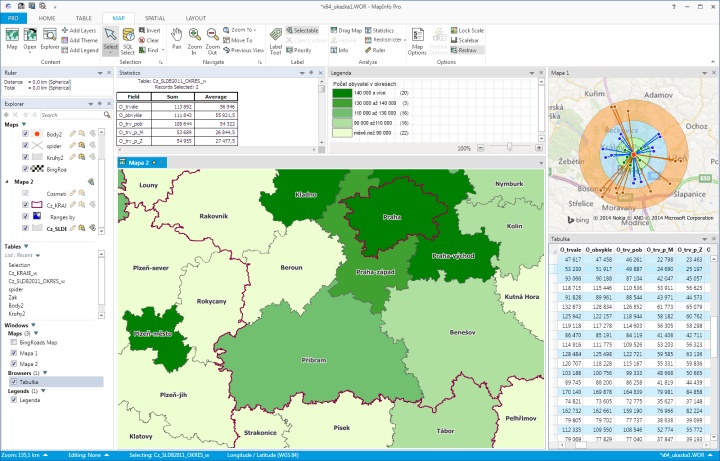
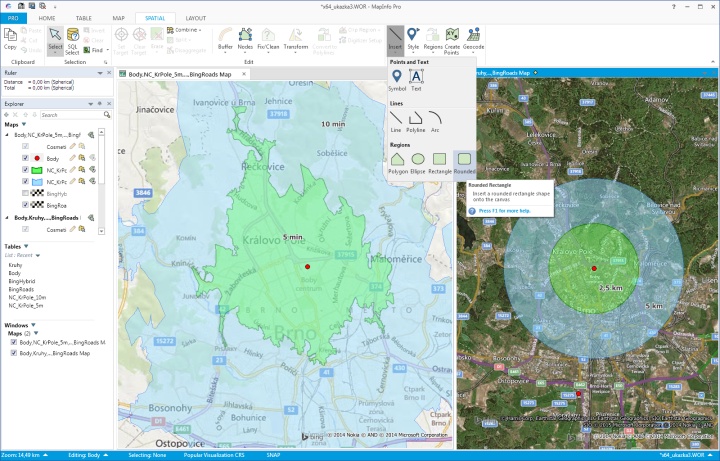
The standard version of MapInfo Pro uses a 64-bit architecture, the user interface is modern and easy to learn. This version contains most commonly used functionality, such as access to a variety of data and map formats, creating thematic maps, SQL queries, editing functions, regions redistricting, exporting maps and data, table structure management etc. This version contains also a number pre-installed add-on tools such as MapCAD, Distance Calculator, Spider Graph and many more. This is the most commonly used version of the application.
User interface corresponds with world leading software vendors. All functions are organized in tabs on the main ribbon. devar bhabhi antarvasna hindi stories exclusive
Brief and complete help is available for beginners. Experienced users can save time with keyboard shortcuts. Daily life usually begins before the sun is fully up
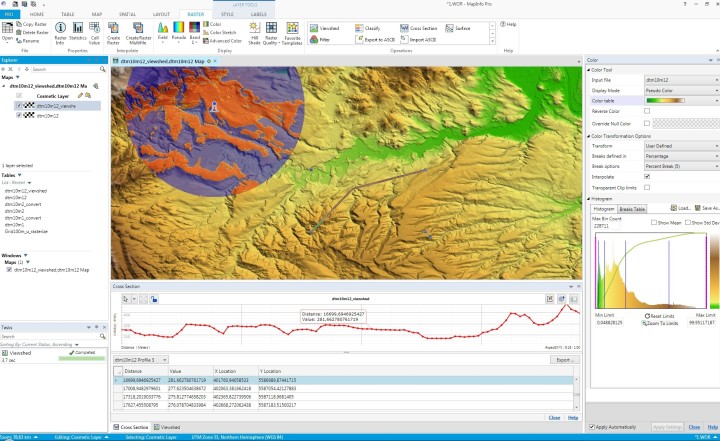
MapInfo Pro™ Advanced builds on MapInfo Pro™ introducing a highly performant raster grid analysis solution, featuring an innovative grid data format called Multi-Resolution Raster (MRR). It enables the super-fast processing, visualization and analysis of high resolution grid and image data; providing a step change in performance and usability even when working at a continental or global scale. The Kitchen: The Pulse of Daily Life The
More information
MapInfo Viewer is a free application that allows users to work with workspaces that have been created in the full version of MapInfo Pro. Free registration of the user account is required to use the application. MapInfo Viewer (since version 17.0.2) is based on the same code as the full version of MapInfo Pro, so the user interface is the same. Map compositions can be viewed, users can save maps to PDF/images, Layer Control allows to switch on/off the layers etc.
More information
Daily life usually begins before the sun is fully up. In many households, the day starts with the sound of a pressure cooker’s whistle or the aromatic ritual of brewing 'Masala Chai.' There is a collective pace to the morning; children are readied for school, and the "Tiffin culture" takes center stage. Packing a nutritious, home-cooked lunch isn't just a chore; it’s an expression of love and care that follows family members into their workplaces and classrooms. The Kitchen: The Pulse of Daily Life
The modern Indian family lifestyle is a fascinating study in "Jugaad" (frugal innovation) and adaptation. You will find grandfathers learning to use UPI for digital payments and granddaughters learning classical dance alongside coding.
Lifestyle choices here are deeply seasonal. In the summer, life revolves around finding ways to stay cool—making mango pickles ( aam ka achaar ) or sipping on buttermilk. In the winter, the menu shifts to heavy greens like Sarson ka Saag and warming sweets like Gajar ka Halwa . Food is rarely just sustenance; it is a celebration of geography and lineage. Every family has a "secret recipe" passed down from a grandmother that serves as a culinary North Star. Rituals, Faith, and Togetherness
India is often described as a land of contrasts, but the one constant that binds its 1.4 billion people is the sanctity of the family. The Indian family lifestyle is a vibrant tapestry woven from ancient traditions, modern aspirations, and the simple, rhythmic stories of daily life. To understand India, one must look past the monuments and into the living rooms, kitchens, and courtyards where the real "Indian story" unfolds every day. The Foundation: The Architecture of the Home
Spirituality in the Indian lifestyle is rarely confined to a temple; it is integrated into the daily routine. Most homes have a small altar or Puja room. The lighting of an oil lamp ( diya ) in the evening is a quiet moment of reflection that signals the transition from the chaos of the day to the calm of the night.
Knowledge Community connects everyone with specialists across Pitney Bowes organization to encourage the exchange of ideas, information and to ask product-related questions.
Knowledge CommunityUseful add-on applications for MapInfo Pro that you can download and install for your license.
ToolsDaily life usually begins before the sun is fully up. In many households, the day starts with the sound of a pressure cooker’s whistle or the aromatic ritual of brewing 'Masala Chai.' There is a collective pace to the morning; children are readied for school, and the "Tiffin culture" takes center stage. Packing a nutritious, home-cooked lunch isn't just a chore; it’s an expression of love and care that follows family members into their workplaces and classrooms. The Kitchen: The Pulse of Daily Life
The modern Indian family lifestyle is a fascinating study in "Jugaad" (frugal innovation) and adaptation. You will find grandfathers learning to use UPI for digital payments and granddaughters learning classical dance alongside coding.
Lifestyle choices here are deeply seasonal. In the summer, life revolves around finding ways to stay cool—making mango pickles ( aam ka achaar ) or sipping on buttermilk. In the winter, the menu shifts to heavy greens like Sarson ka Saag and warming sweets like Gajar ka Halwa . Food is rarely just sustenance; it is a celebration of geography and lineage. Every family has a "secret recipe" passed down from a grandmother that serves as a culinary North Star. Rituals, Faith, and Togetherness
India is often described as a land of contrasts, but the one constant that binds its 1.4 billion people is the sanctity of the family. The Indian family lifestyle is a vibrant tapestry woven from ancient traditions, modern aspirations, and the simple, rhythmic stories of daily life. To understand India, one must look past the monuments and into the living rooms, kitchens, and courtyards where the real "Indian story" unfolds every day. The Foundation: The Architecture of the Home
Spirituality in the Indian lifestyle is rarely confined to a temple; it is integrated into the daily routine. Most homes have a small altar or Puja room. The lighting of an oil lamp ( diya ) in the evening is a quiet moment of reflection that signals the transition from the chaos of the day to the calm of the night.