


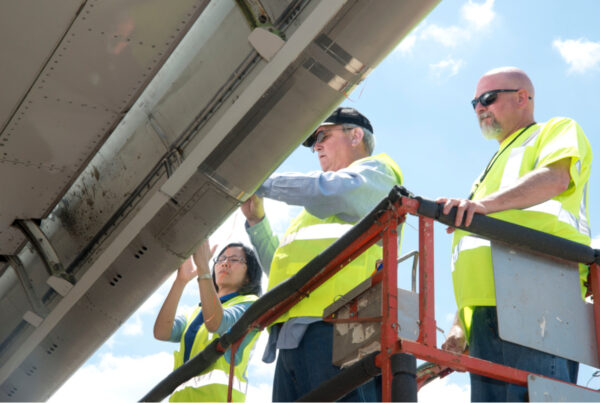
Making a Ramp Check painless (with checklist)

Declan Selleck24 June, 2024
: This is the numerical index. For collectors and archivists, these numbers are essential for maintaining chronological order or ensuring a complete collection.
In the realm of digital media and online archives, specific alphanumeric codes often serve as unique identifiers for content ranging from technical documentation to niche entertainment. One such identifier that has seen periodic spikes in interest is . SONE-385.mp4
In the modern internet, "discoverability" is everything. For creators, using a standard identifier like SONE-385 ensures that their work doesn't get lost in a sea of generic titles. For users, it provides a "digital fingerprint" that makes finding a specific high-definition video much easier than searching for broad descriptions. Technical Specifications and Quality : This is the numerical index
: This is the universal file extension for MPEG-4 Part 14. It is favored for its high compression rate and compatibility across almost all devices, from smartphones to smart TVs. Why Do People Search for SONE-385? One such identifier that has seen periodic spikes
Keywords like SONE-385 often trend due to the "collector's itch." In various online communities, enthusiasts track specific releases with the same intensity that others might track rare vinyl records or comic books. When a specific number like 385 is mentioned in a forum or a social media thread, it often leads to a wave of search engine queries from users trying to identify the content, check its availability, or find technical specifications. The Role of Metadata in Digital Discovery
The structure of "SONE-385.mp4" provides several clues about its origin:

 Get the famous weekly Ops Bulletin for Pilots and Dispatchers ...



In smaller aircraft which are not required (or able) to carry a full TCAS system, the use of ADS-B for strategic (and sometimes tactical) collision avoidance is a serious concern. This seems to be ignored in this report, presumably on the assumption that TCAS validation will prevent there being a problem. Sadly, TCAS validation is not possible in aircraft without TCAS, hence erroneous ADS-B data may be broadcast and presented to pilots in flight, with the attendant risk of a mid-air collision.